08
Sep
SEAIPC 2026 Calls for Strategic Transformation of Southeast Asian Philanthropy to Advance Inclusive Growth and Economic Resilience
Jakarta, 1 September 2026 — The 9th Southeast Asia International Philanthropy Conference (SEAIPC) 2026 reaffirmed the need to transform philanthropy from conventional charitable giving into a strategic force for inclusive economic growth, economic resilience, and shared prosperity across Southeast Asia.
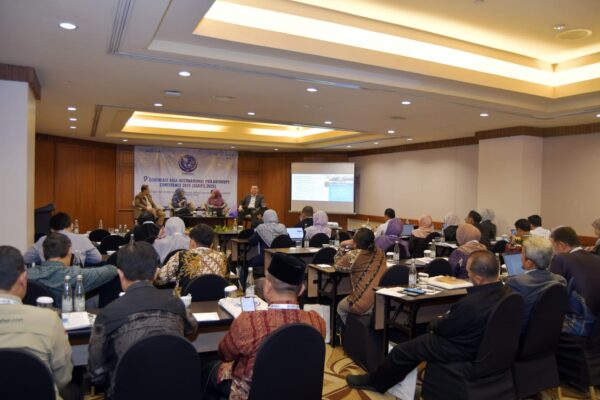
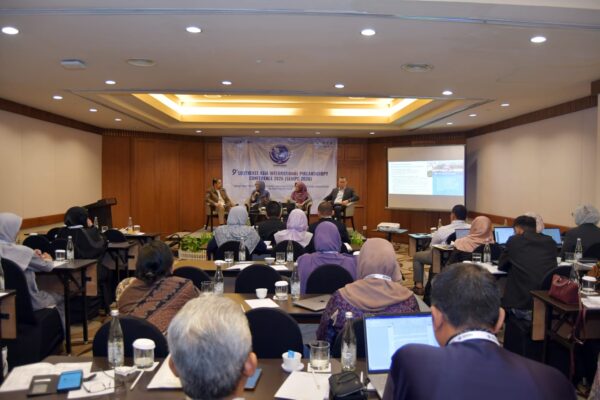
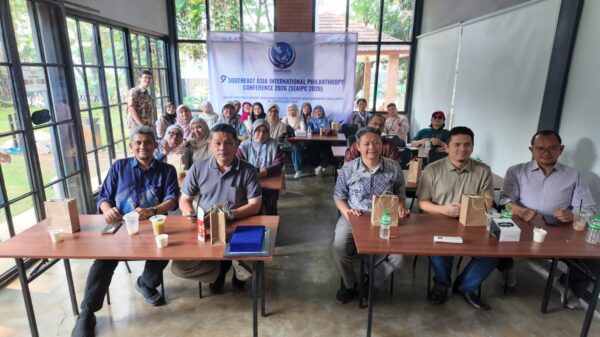
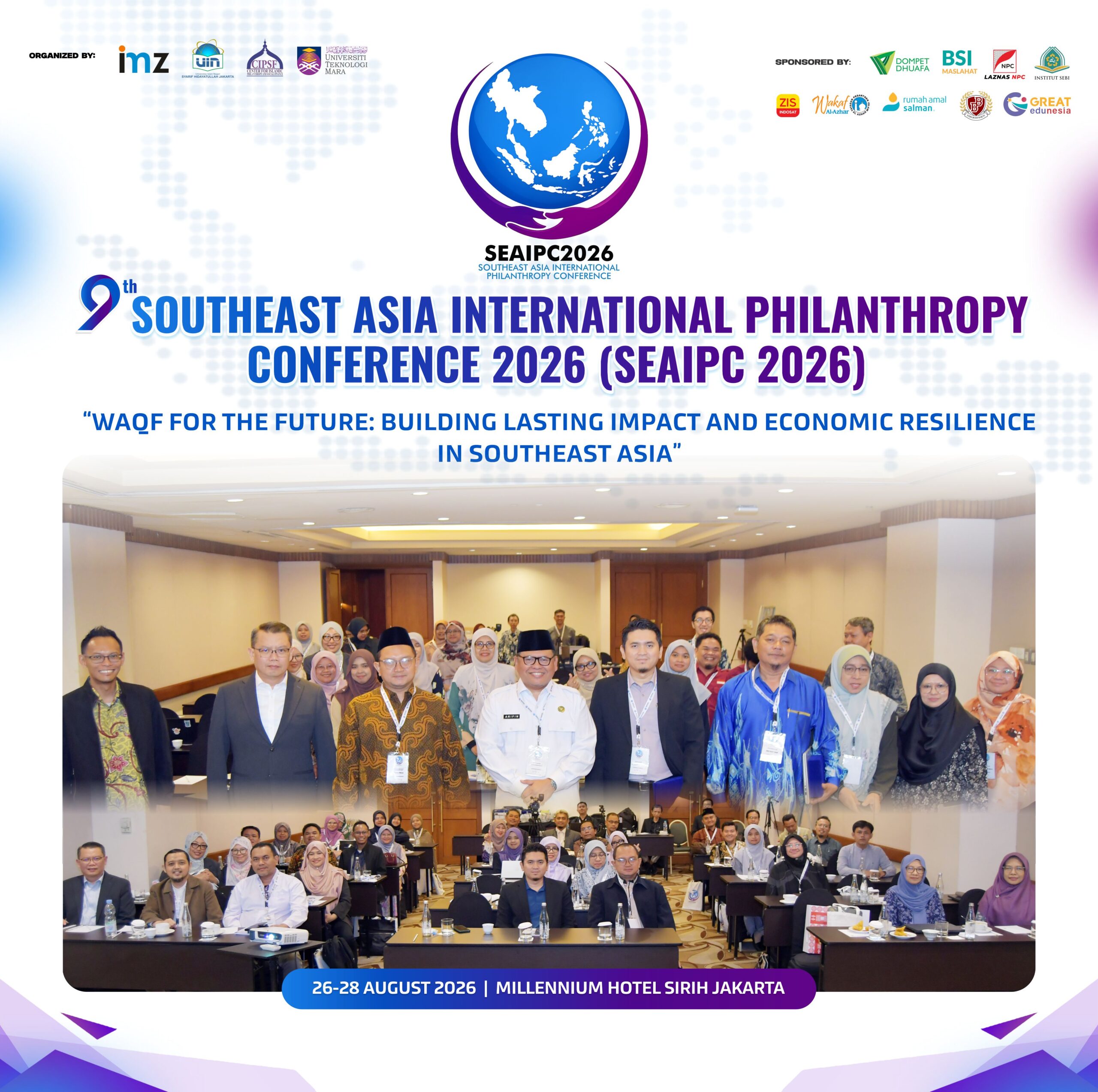
Held on 26–28 August 2026 at the Millennium Hotel Jakarta, Indonesia, under the theme “Waqf for the Future: Building Lasting Impact and Economic Resilience in Southeast Asia,” SEAIPC 2026 brought together 90 participants over three days, representing philanthropic practitioners, academics, professionals, zakat and waqf institutions, and other stakeholders from Indonesia, Singapore, and Malaysia.
SEAIPC 2026 was organized by IMZ Indonesia in collaboration with IPSF (Islamic Philanthropy Social Finance) UiTM Malaysia and UIN Syarif Hidayatullah Jakarta, SEAIPC 2026 served as a regional platform for exchanging ideas, experiences, and best practices in developing zakat, waqf, and Islamic social finance in response to Southeast Asia’s evolving social and economic challenges.
Prasetyo Wibowo, Director of IMZ, emphasized that waqf should be positioned as a future-oriented instrument capable of transforming today’s generosity into continuously growing benefits. “Waqf is fundamentally about the future. It is about transforming assets into lasting impact, and building communities that are more resilient and more prosperous,” Prasetyo said in his opening remarks at SEAIPC 2026. He stressed that waqf management needs to move beyond merely preserving assets toward activating them productively to support education, healthcare, housing, entrepreneurship, and community empowerment.
From Philanthropy to Inclusive Economic Growth
SEAIPC 2026 was grounded in the recognition that economic growth across Asia has not always translated into equally shared prosperity. In this context, philanthropy can serve as an important bridge between communities with resources and those facing socio-economic vulnerabilities.
Southeast Asian philanthropy also possesses a distinctive strength through its deep roots in religious and cultural traditions. Zakat, waqf, sadaqah, and various forms of social investment have significant potential to address poverty, inequality, education, healthcare, economic empowerment, and social infrastructure.
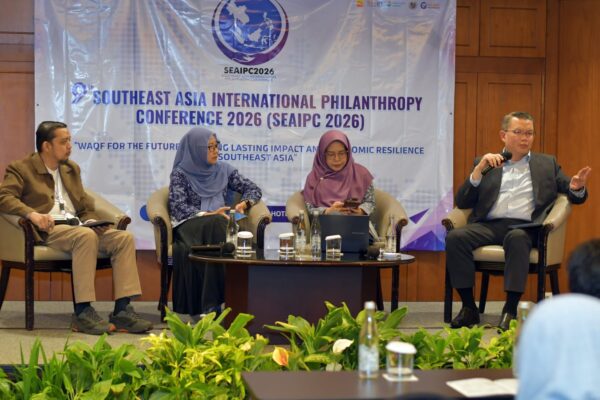
These issues formed a central theme of SEAIPC 2026, particularly through the panel discussion on “Strategic Waqf Governance for Inclusive Economic Growth in Southeast Asia.”
Governance as the Key to the Future of Waqf
One important perspective was presented by Prof. Amelia Fauzia, MA., Ph.D., of UIN Syarif Hidayatullah Jakarta, who emphasized that the size of waqf assets does not automatically translate into significant social and economic impact. The key challenge for the future of waqf lies in developing professional, knowledge-driven governance and connecting waqf assets with broader social and economic development needs.
Prof. Amelia highlighted the importance of professionalizing and strengthening the capacity of nazhirs, developing standards and accreditation, strengthening regulation and oversight, and utilizing research and evidence to support better policy and institutional decisions. She also positioned universities as a knowledge infrastructure that connects fiqh, empirical research, professional education, institutional innovation, and public policy. Through this approach, waqf can move beyond being viewed merely as a religious endowment and become a productive asset capable of generating economic value, inclusion, and community resilience.
This perspective enriched the SEAIPC 2026 discussion on the need to build a waqf ecosystem that focuses not only on mobilizing assets but also on the institutional capacity to develop those assets productively and sustainably.
The panel on “Strategic Waqf Governance for Inclusive Economic Growth in Southeast Asia” brought together perspectives from Indonesia and Singapore, including Prof. Amelia Fauzia, Dr. Sulistyowati of the Indonesian Waqf Board, and Mohamed Azam Abdul Aziz, Chief Executive Officer of Warees Investments, Singapore.
Strengthening the Alignment of Zakat and Financial Systems
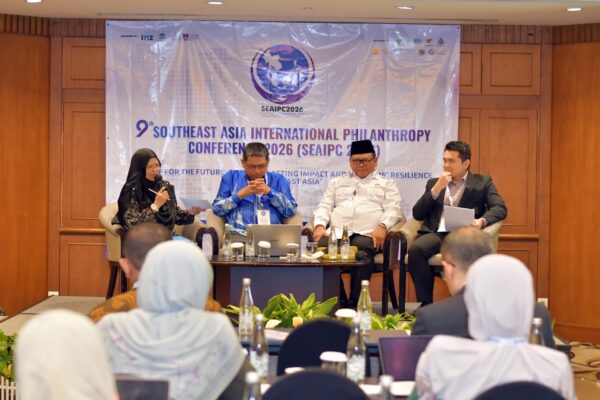
The conference further explored the relationship between zakat policy, Islamic philanthropy, and Southeast Asian financial systems through the panel “Harmonization of Zakat Policy and Islamic Philanthropy with South East Asia Financial Systems.”
The panel featured perspectives from Malaysia and Indonesia, including Dr. Muhsin Nor Paizin from Pusat Pungutan Zakat (AZKA-PPZ), Malaysia; Assoc. Prof. Dr. Mohd Faizal P. Rameli from Universiti Teknologi MARA, Malaysia; and M. Arifin Purwakananta from BAZNAS Indonesia.
The discussion emphasized the importance of developing policy and institutional ecosystems that allow zakat and Islamic philanthropy to operate professionally, accountably, and in constructive interaction with broader financial systems.
22 Papers, Three Countries, One Learning Platform
One of the strengths of SEAIPC 2026 was its ability to bring practical experience and academic research into the same forum.
A total of 22 papers were presented during the parallel sessions. The research covered a broad spectrum of Islamic philanthropy, ranging from zakat and waqf management, governance and risk management, social impact measurement, community empowerment, to Islamic social finance innovation.
With 90 participants from Indonesia, Singapore, and Malaysia, the conference provided a valuable platform for cross-country exchange and strengthened networks among philanthropic practitioners and stakeholders in the region.
Three Strategic Lessons from SEAIPC 2026
Following three days of discussions, SEAIPC 2026 highlighted three key lessons for the development of philanthropy in Southeast Asia.
First, the importance of balancing the roles of the state and civil society.
A strong philanthropic ecosystem requires constructive relationships between governments and civil society organizations. Regulation is necessary to ensure accountability and compliance, but it should also create an enabling environment for innovation, collaboration, and new philanthropic models.
Second, the importance of integrating Islamic social finance instruments.
Zakat, waqf, sadaqah, and social investment should not operate in isolation. Greater integration among these instruments can provide more comprehensive responses to socio-economic challenges while strengthening community resilience and self-reliance.
Third, the importance of cross-country learning.
SEAIPC 2026 demonstrated that Indonesia, Malaysia, and Singapore have different but complementary experiences. These differences provide a foundation for stronger collaboration and mutual learning in strengthening the region’s philanthropic ecosystem.
Connecting Research, Practice, and Impact
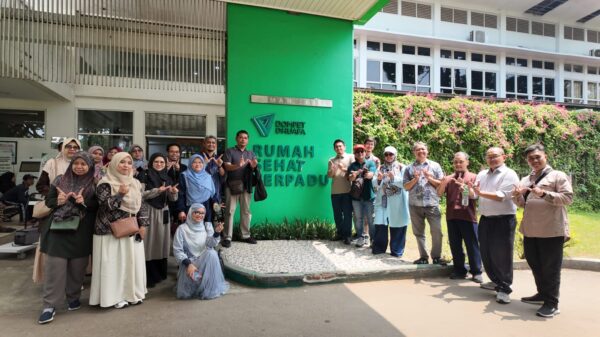
Beyond panel discussions and research presentations, SEAIPC 2026 participants also joined a field visit to Zona Madina Dompet Dhuafa on the third day of the conference.
The visit provided participants with an opportunity to observe practical applications of waqf-based area development and community empowerment, including facilities and the management of social assets.
In this way, SEAIPC served not only as a platform for conceptual discussion but also as a space connecting research, practice, and impact.
Towards a Southeast Asian Zakat Council
One of the ideas emerging from the conference was the need for a regional platform to strengthen cooperation and mutual learning in the development of zakat across Southeast Asia.
During the conference closing, the idea of establishing a Southeast Asian Zakat Council (Dewan Zakat Asia Tenggara) was raised as a possible mechanism for strengthening cross-border cooperation.
The proposal remains an aspiration that requires further discussion among relevant stakeholders. Nevertheless, its emergence reflects growing recognition that the future of philanthropy in Southeast Asia requires collaboration that goes beyond institutional and national boundaries.
Haryo Mojopahit, Director of TEACH Great Edunesia and representative of Dompet Dhuafa, in his Closing Speech emphasized that the future of philanthropy cannot be built by a single institution or a single country. Cross-sector and cross-border collaboration is essential to integrate zakat, waqf, sadaqah, and social investment in creating greater community self-reliance and more equitable prosperity across Southeast Asia.
Building the Future of Southeast Asian Philanthropy
SEAIPC 2026 emphasized that the future of philanthropy in Southeast Asia cannot be measured solely by the amount of funds raised. Equally important is how those resources are professionally managed, developed through innovation, integrated with other social finance instruments, and directed toward sustainable social and economic impact.
With its strong philanthropic traditions, technological development, social finance innovation, and growing cross-border collaboration, Southeast Asia has a significant opportunity to develop a philanthropic ecosystem that contributes meaningfully to inclusive economic growth and shared prosperity.
SEAIPC 2026 concluded with a shared commitment to strengthen collaboration, expand cross-country learning, and encourage further innovation in zakat, waqf, and Islamic social finance to build a more inclusive and sustainable future for Southeast Asia.
—
About SEAIPC
The South East Asia International Philanthropy Conference (SEAIPC) is an international forum bringing together academics, practitioners, regulators, civil society organizations, and Islamic social finance stakeholders from Southeast Asia to exchange knowledge, experiences, innovations, and develop cross-border collaboration.
SEAIPC 2026 marked the 9th edition of the conference and was held under the theme “Waqf for the Future: Building Lasting Impact and Economic Resilience in Southeast Asia.”